


Knowledge · Selection · Origin
Diamonds: natural or laboratory-grown?
Both are real diamonds. The essential difference is how they came into being – and what matters to you in terms of origin, price and story.
This page supports an informed decision. Not simply larger at any cost, but right for the ring, the design, the budget and your personal priorities.
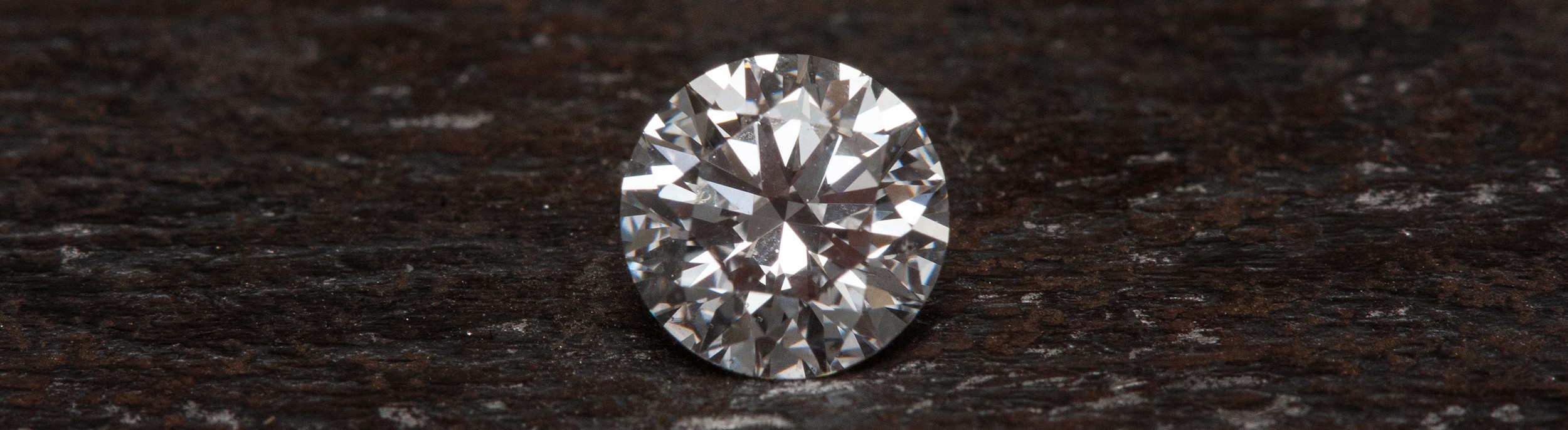
The essential difference
The same material, a different origin.
Natural and laboratory-grown diamonds consist of crystalline carbon and have essentially the same optical and physical properties. Their origin can only be determined reliably with specialised gemmological testing.
Formed in the Earth over an immense period of time
Natural diamonds form deep inside the Earth and reach the surface through geological processes. Each stone carries a natural history.
- Geological origin
- Limited natural occurrence
- Established but quality-dependent secondary market
- Origin and supply chain should be checked carefully
Grown under controlled conditions
Laboratory-grown diamonds are produced by HPHT or CVD technology. They are not imitations such as cubic zirconia or moissanite, but diamonds with a different origin.
- Technologically created origin
- Usually a substantially lower purchase price
- Often larger or more highly graded within the same budget
- A less established resale market at present
Understanding quality
The 4Cs – four values that belong together.
The internationally established 4Cs describe diamond quality. They apply to natural and laboratory-grown stones. What matters is how they work together, not one isolated maximum grade.
Cut
Proportions, symmetry and polish determine how light is returned. Cut has a particularly strong influence on visible brilliance.
Colour
For colourless diamonds, the scale describes the degree of colourlessness. The appropriate grade also depends on the metal of the ring.
Clarity
Inclusions and surface characteristics are assessed under defined conditions. Many features are not visible without magnification.
Carat weight
Carat describes weight, not the visible diameter directly. Shape and proportions affect how large a stone appears.
Making
HPHT and CVD in brief.
Both processes create a diamond crystal. They differ in pressure, temperature and growth environment.
HPHT
High Pressure, High Temperature: carbon crystallises under extremely high pressure and high temperature – conditions that reproduce essential aspects of natural diamond formation.
CVD
Chemical Vapour Deposition: in a vacuum chamber, carbon from an activated gas mixture is deposited layer by layer onto a diamond seed.
Decision guide
What truly matters when choosing.
The stone must suit the ring
Setting, ring width, metal colour and everyday wear determine which size and shape are appropriate.
Weight quality sensibly
Laboratory-grown often offers more size for the same budget. For either origin, cut and visible effect deserve priority over table values alone.
Jewellery is not a guaranteed investment
Natural diamonds have a more established secondary market, but actual resale value depends heavily on the stone, report, demand and retail margins.
Lab-grown in Germany
Nevermined in Essen.
MVH works with Nevermined for laboratory-grown diamonds. The company produces diamonds in Essen using the CVD process. According to the manufacturer, production is powered by renewable electricity; Nevermined is certified to the SCS-007-1 “Sustainability Rated Diamonds” standard.
“Sustainable” is not an automatic property of laboratory-grown diamonds. Energy source, production location, traceability and independent verification all matter. We therefore name the specific producer and link to its information.
In brief
Frequently asked questions
Are laboratory-grown diamonds real diamonds?
Yes. They have essentially the same chemical composition, crystal structure and optical and physical properties as natural diamonds. Cubic zirconia and moissanite, by contrast, are different materials.
Can you see the difference with the naked eye?
Not reliably in most cases. Conclusive separation requires specialised testing in a gemmological laboratory.
Why is a grading report important?
A report from a recognised gemmological laboratory documents identity, type of origin and quality characteristics. The report and laser inscription should correspond to the stone and be verifiable.
Is laboratory-grown automatically more sustainable?
No. Environmental impact depends particularly on energy source, technology and production location. Transparent information and independent certification make assessment easier.
Which diamond is right for us?
That depends on your priorities: a natural origin story, traceable laboratory production, budget, desired size and personal meaning. MVH advises on both options without a blanket recommendation.
Selection and setting
The right diamond for the right ring.
Stone, setting and ring are considered together – technically, visually and within the intended budget.