How Are Rings Made? (Classic Wedding Rings)
Joining by Welding
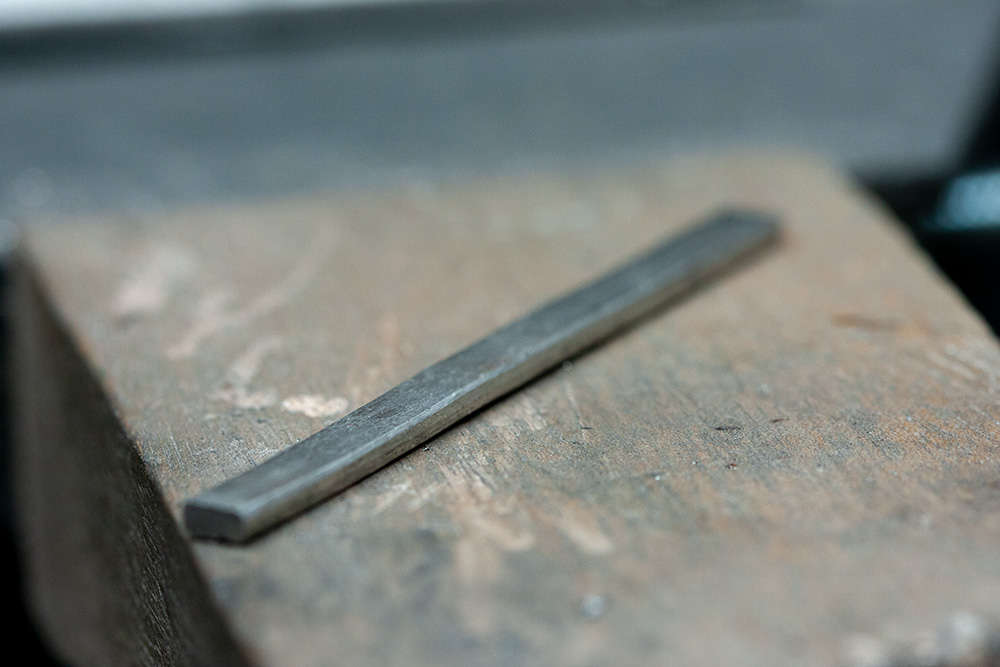
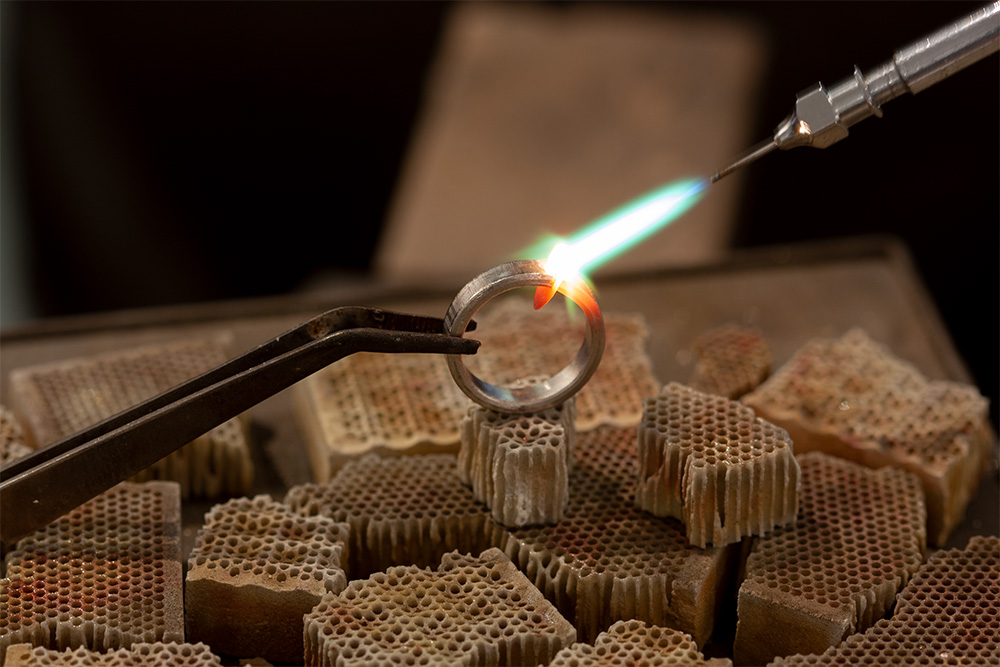
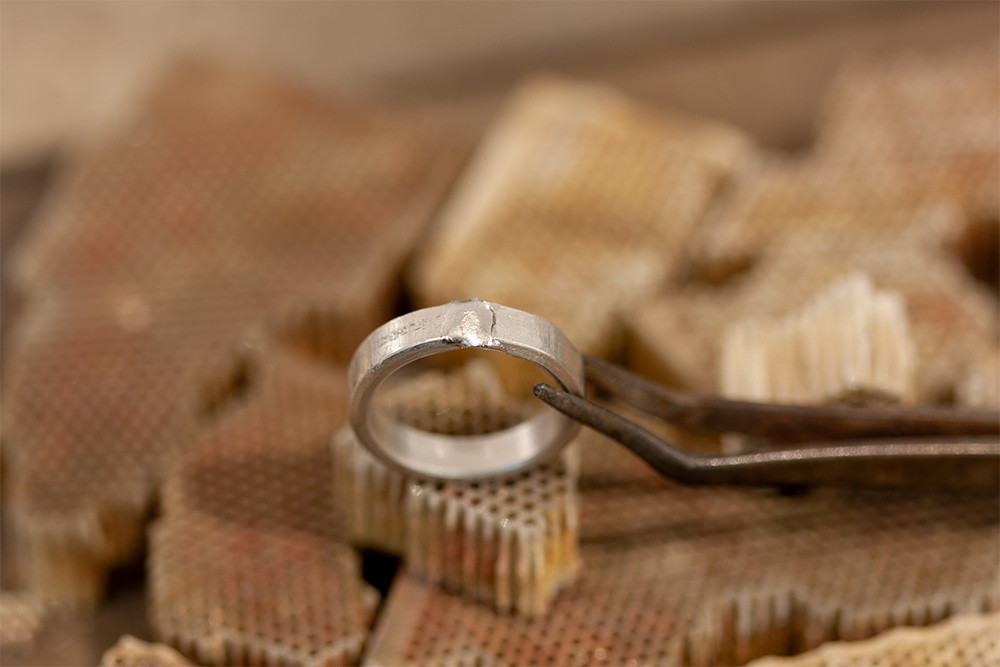
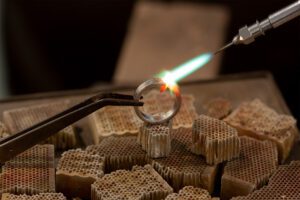
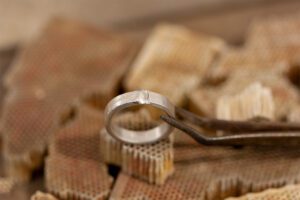
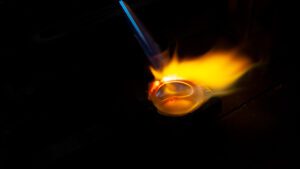
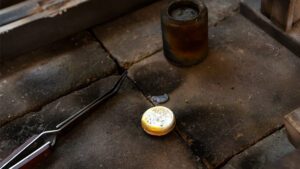
The first method joins the material by welding. The desired metals are prepared in the required proportions, shaped and then welded together. This method is used mainly for platinum because it can be welded permanently with a completely invisible seam.
Palladium-containing alloys, such as champagne gold or white gold, behave differently. Because of their palladium content, they absorb considerably more oxygen, which can create numerous tiny pores or cavities.
Punching & Deep Drawing
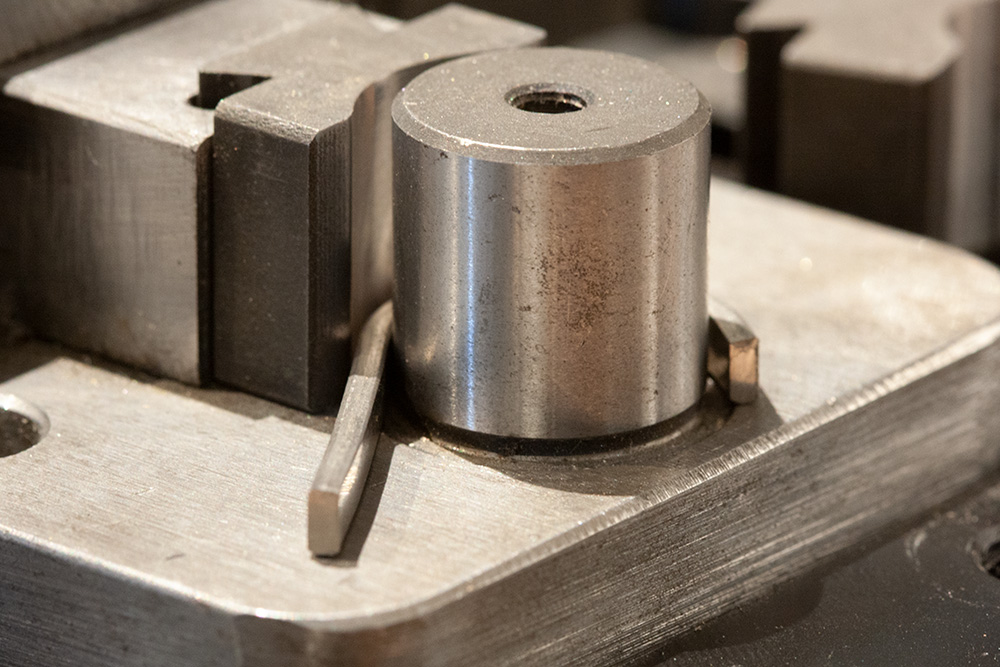
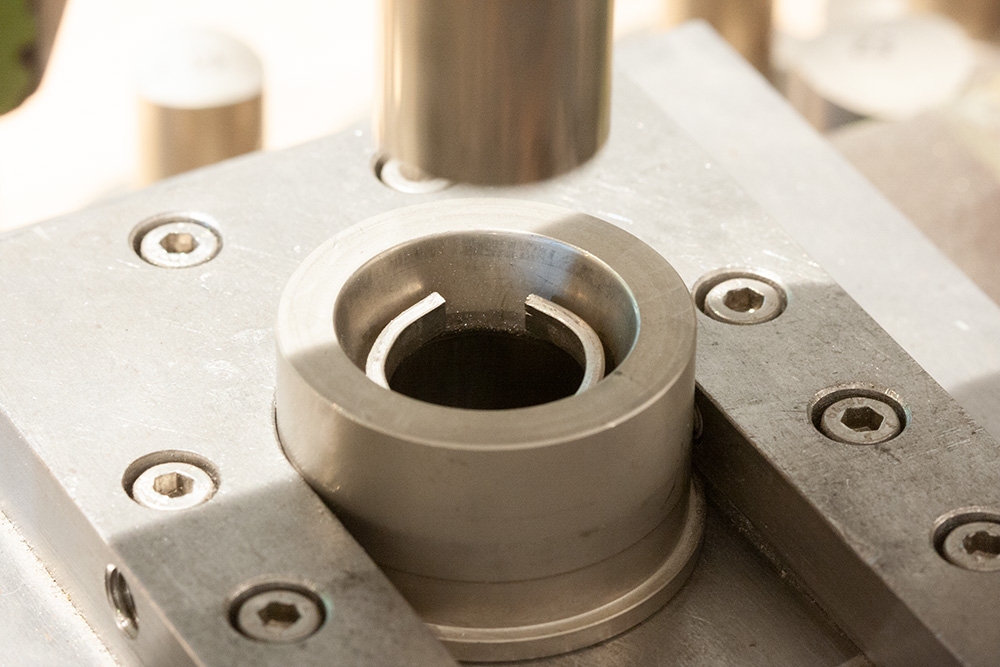
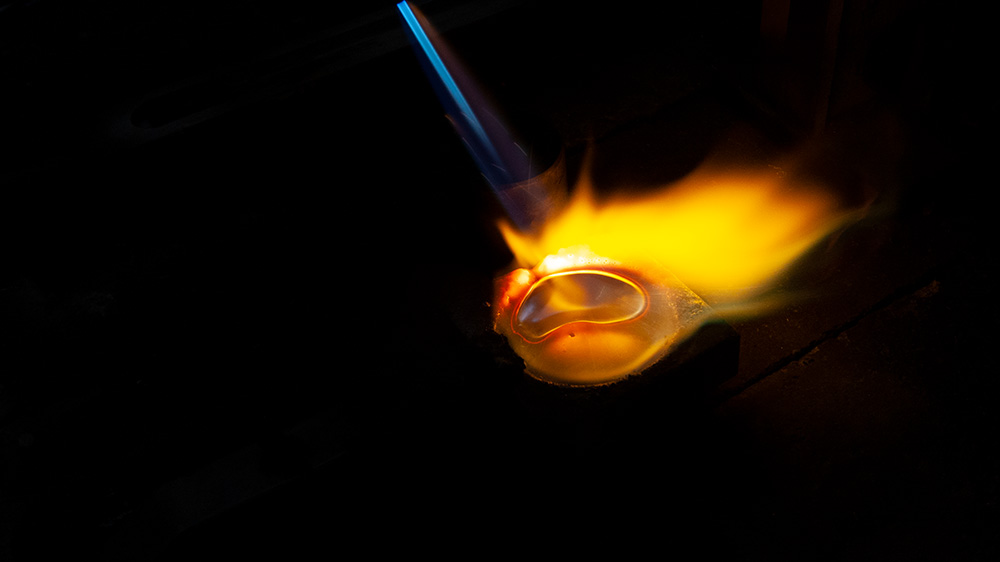
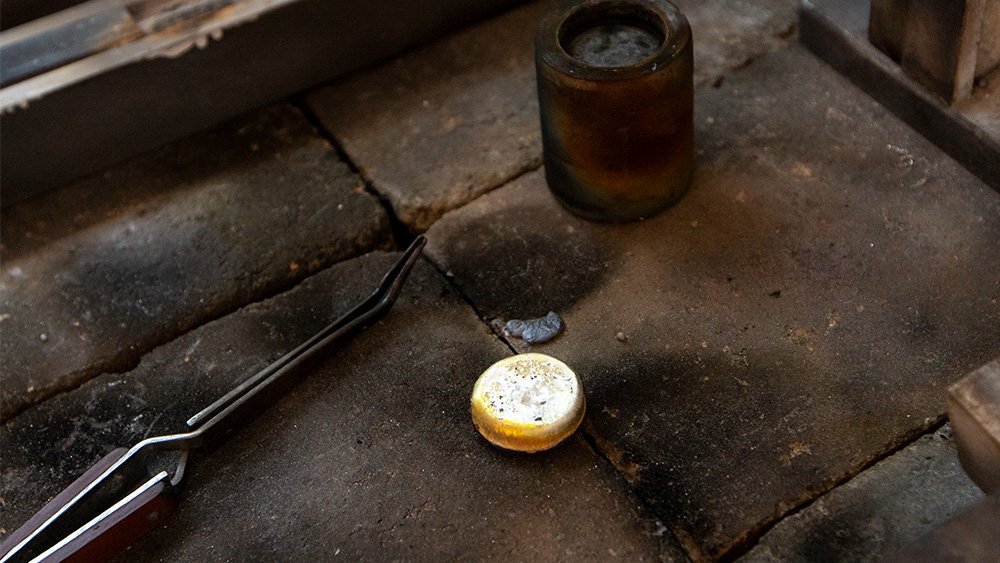
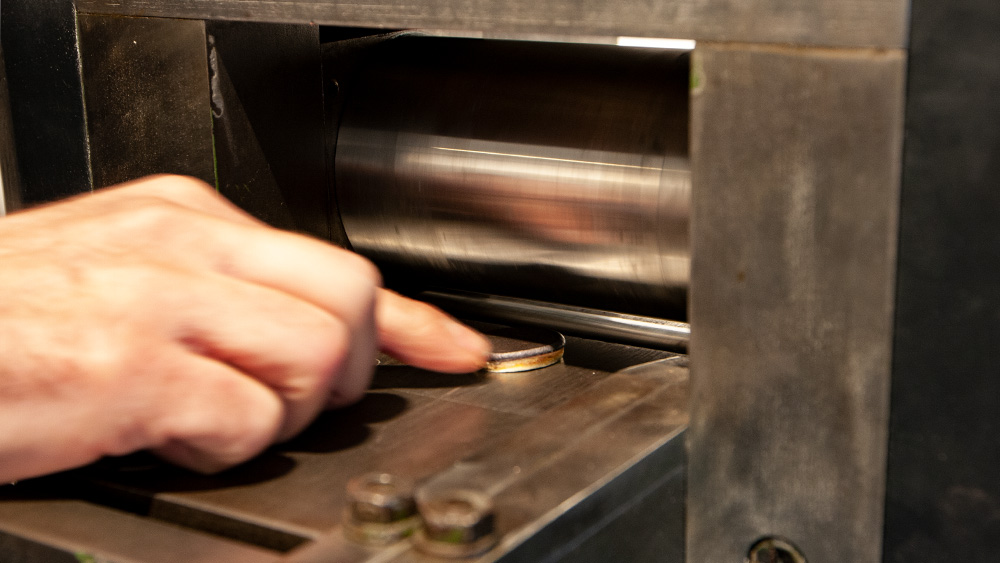
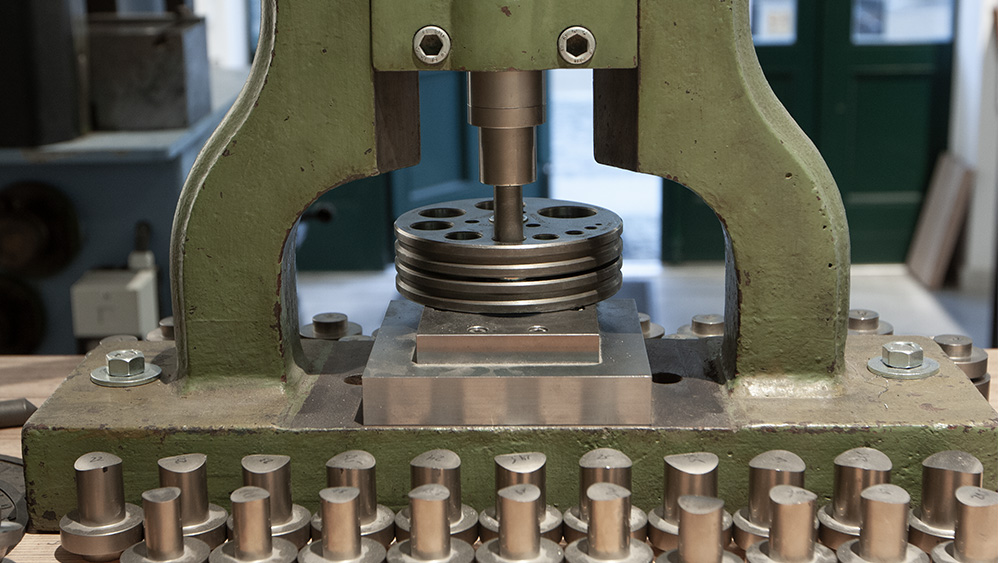
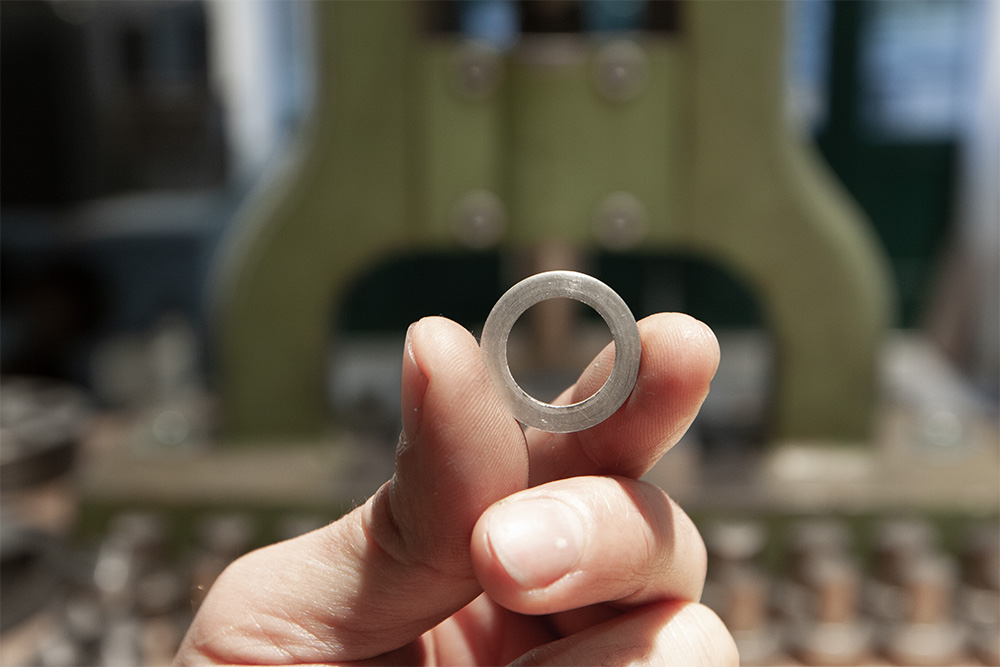
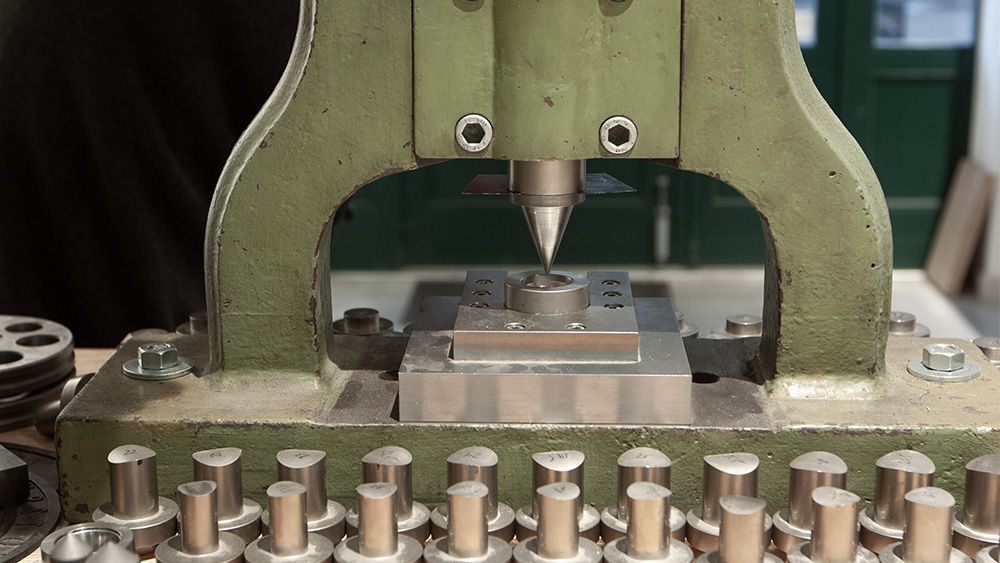
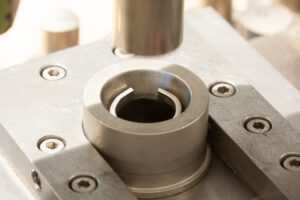
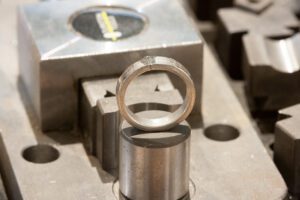
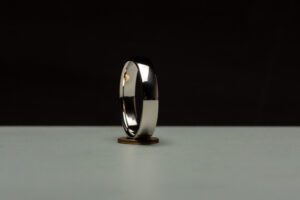
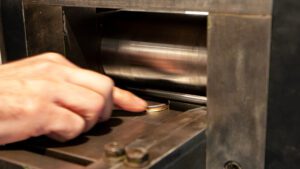
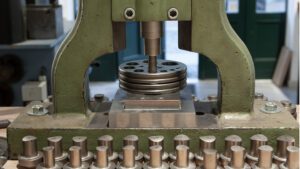
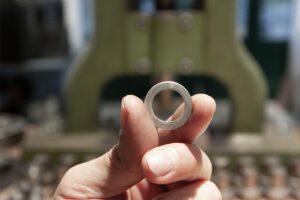
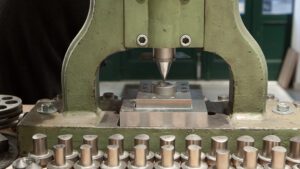
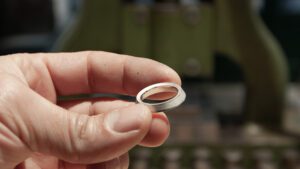
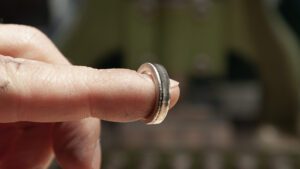
The next method is punching and deep drawing. The metal is melted and cast into a round form, then rolled and punched out. This disc is turned through by deep drawing so that the basic ring shape is formed.
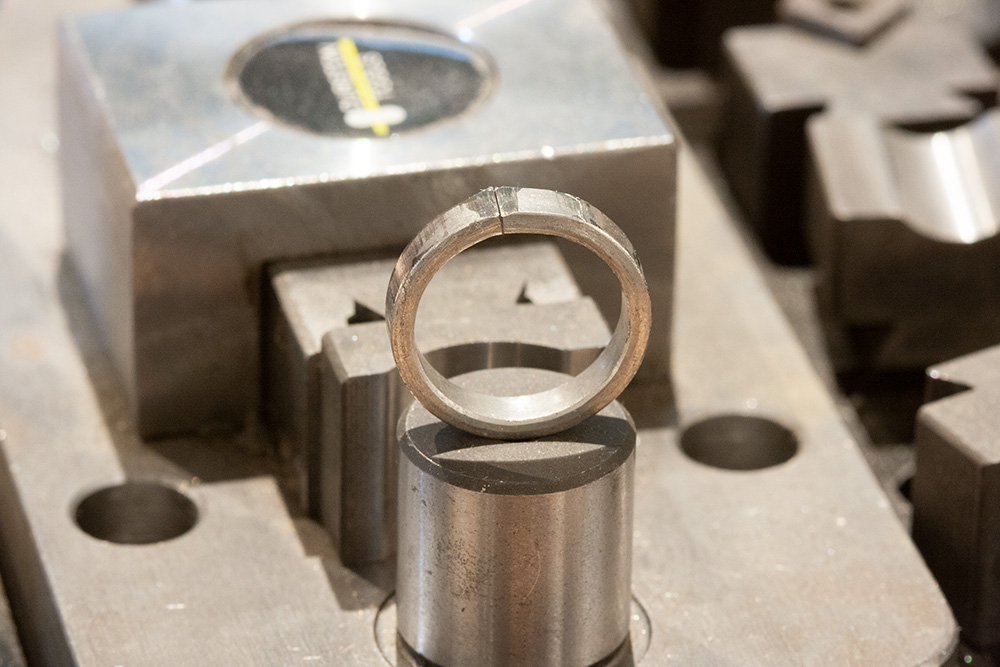
A major advantage of this method is that it allows us to make a ring without a welded or soldered joint. Welding platinum is unproblematic, as described above, but palladium-containing alloys behave differently.
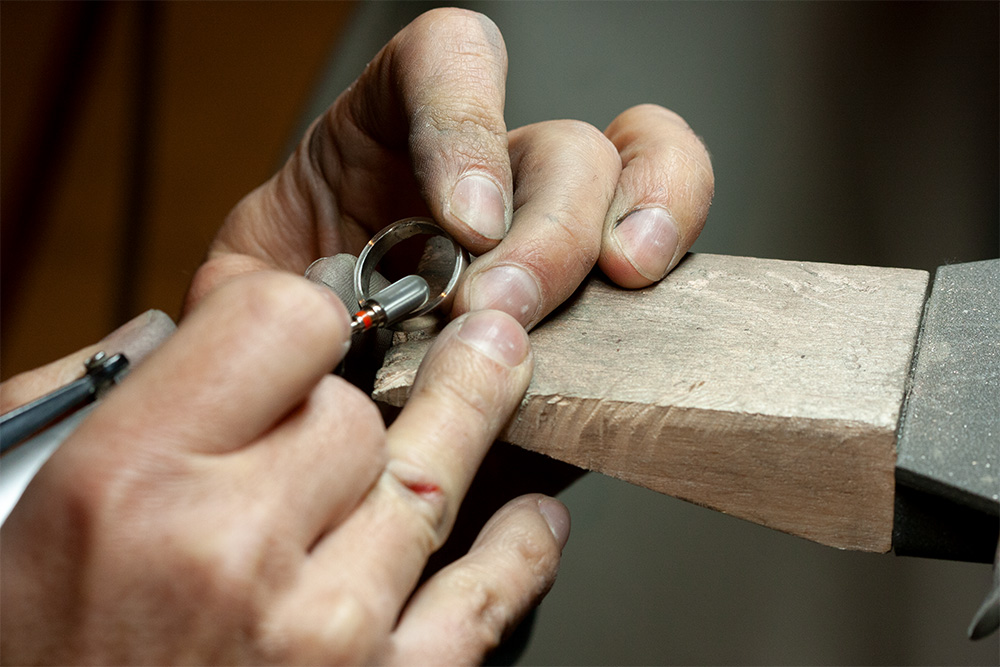
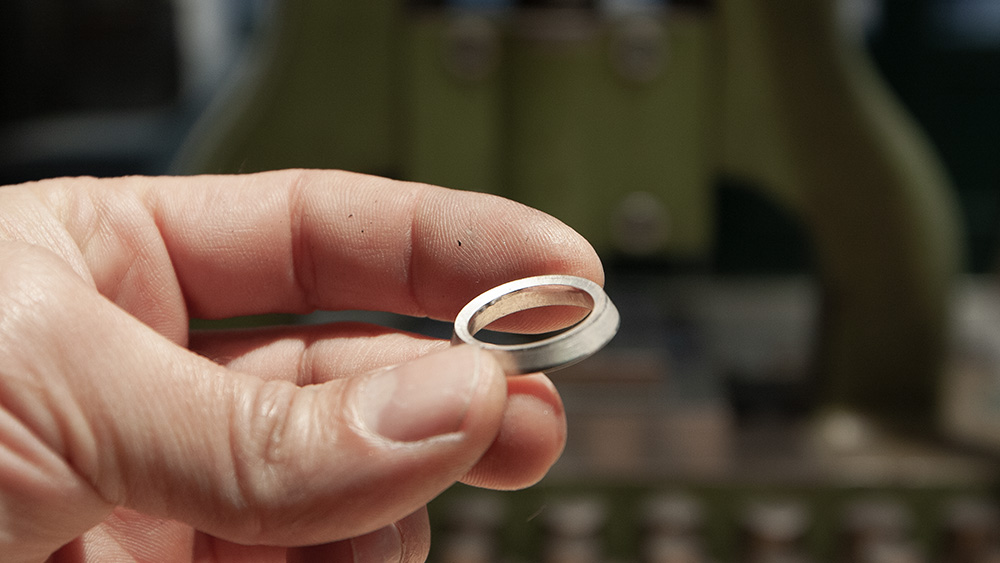
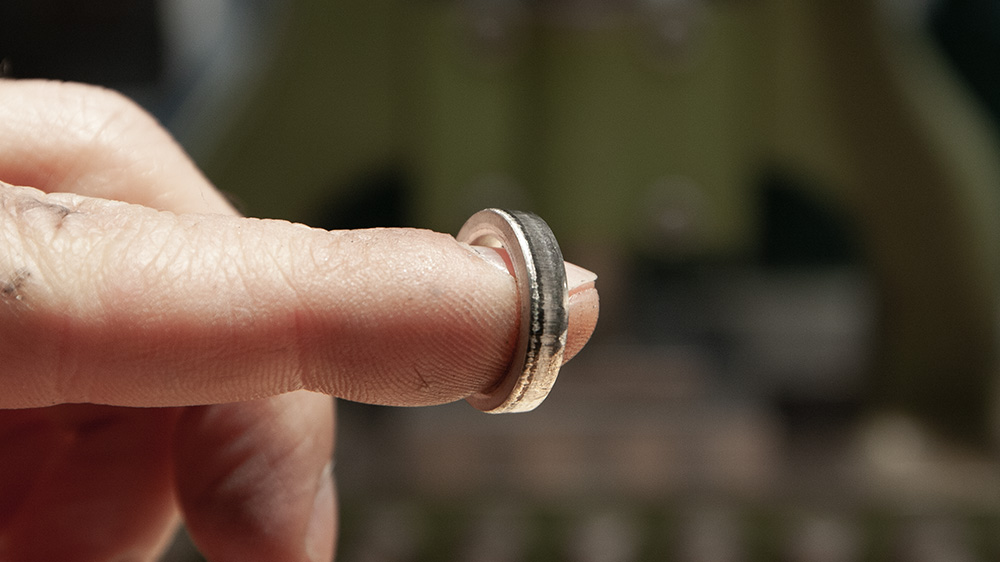
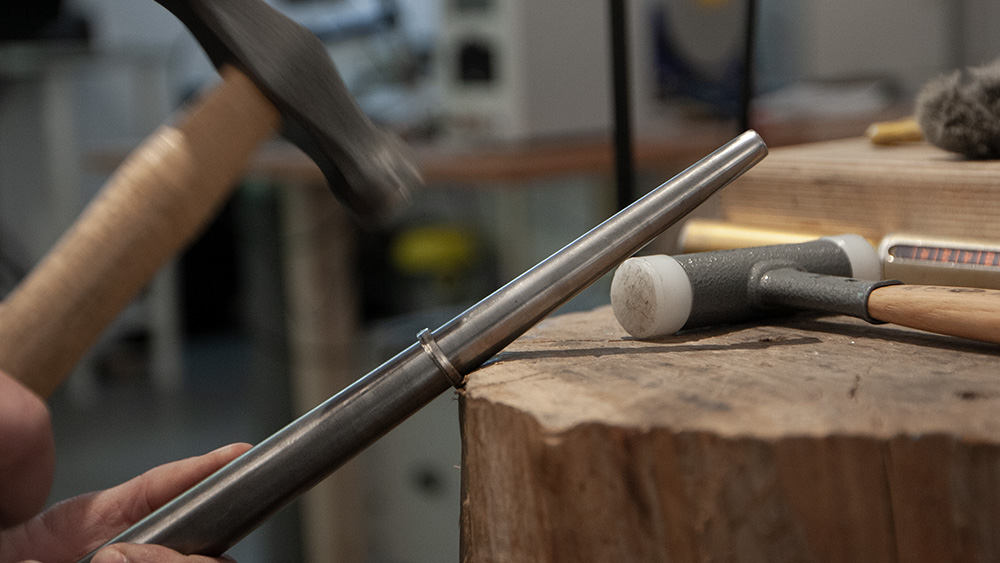
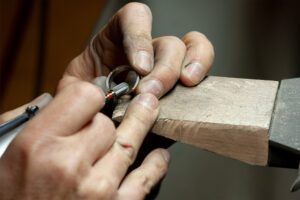
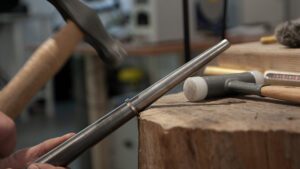
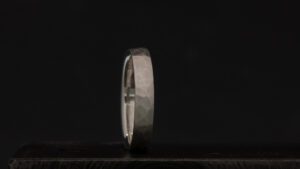
Finally, we shape the ring with hammer, file and lathe until it has the desired form.
Precious Metals & Alloys
Gold Alloys
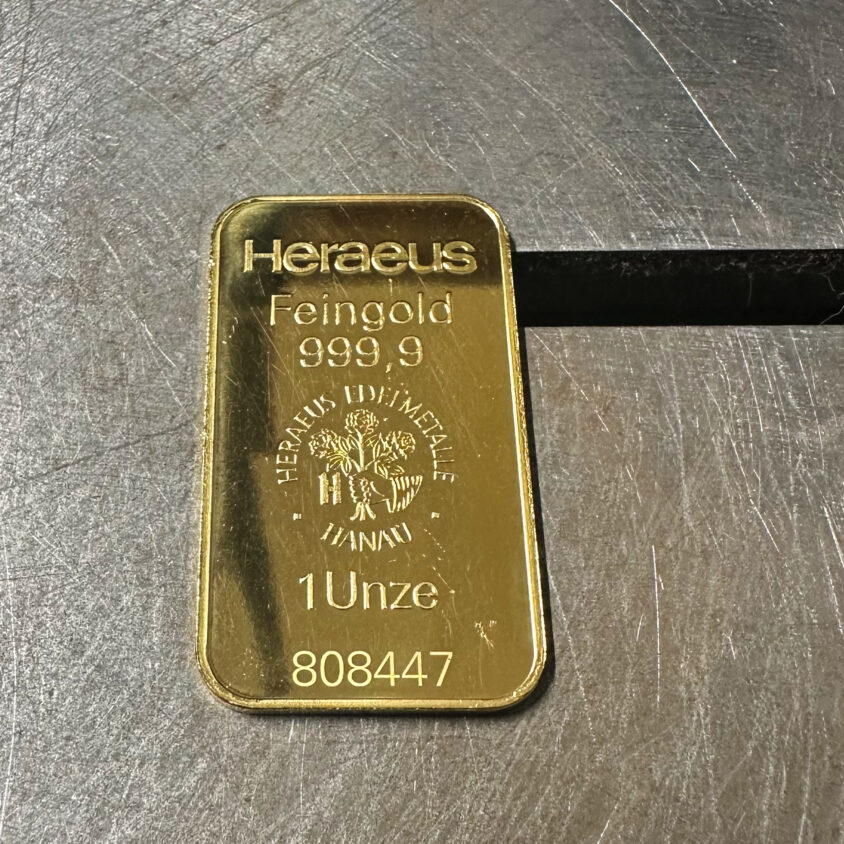
Pure gold has a fineness of 999, equivalent to 24 carats. To make it more durable for jewellery, it is combined in different alloys. The most common are 585 gold (14 carat) and 750 gold (18 carat), with metals such as silver or copper added. These metals influence the colour: more copper creates a reddish tone, while silver makes the gold lighter.
Yellow Gold is created by combining gold, silver and a small amount of copper. The exact colour varies with the proportions but remains classically yellow.
Rose and Red Gold contain more copper and less silver. Their proportions determine whether the final shade leans more towards red or rose.
White Gold erreicht man durch die Zugabe von mindestens 13 % Palladium, wodurch das Gold seine gelbe Farbe verliert. Oft wird White Gold zusätzlich rhodiniert, um ein strahlenderes Weiß zu erzielen. Ich stehe dem Rhodinieren jedoch kritisch gegenüber, da sich die Schicht mit der Zeit ablöst.
Champagne and Hazelnut Gold entstehen durch eine Mischung aus Palladium und anderen Metallen. Im Gegensatz zu White Gold bleibt der Palladiumanteil unter 13 %, sodass die warme Farbe des Goldes erhalten bleibt und leicht durchscheint.
Platin & Palladium – Legierungen
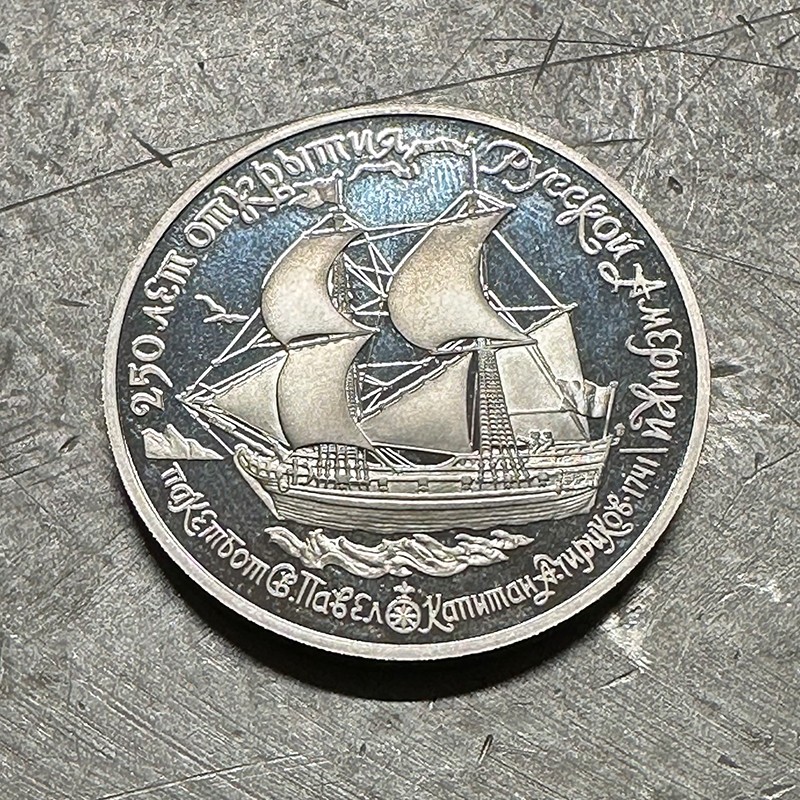
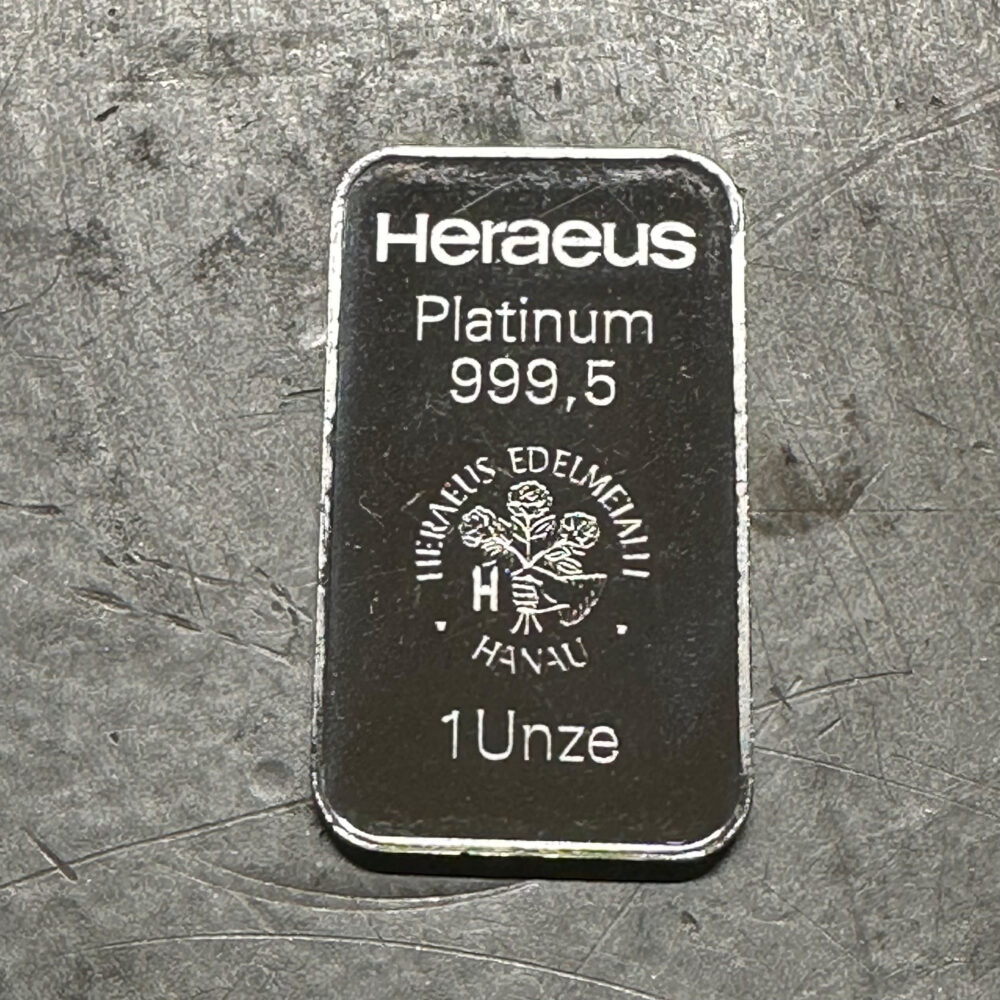
Platinum and palladium belong to the platinum-group metals and are prized in jewellery for their exceptional durability and refined lustre. Platinum is notable for its high density and weight, while its naturally light colour makes it especially desirable.
Palladium is lighter and slightly darker, yet increasingly popular because it offers properties similar to platinum. It requires particular care during processing because it absorbs large amounts of oxygen. It should therefore be melted only in a vacuum or under shielding gas to prevent porosity. Otherwise, it becomes difficult to work and loses its visual quality.
We Work with the Following Alloys:
- Platinum 960 – 96% Platin & 4% Kupfer
- Fine Platinum – 99.9% platinum (pure platinum)
- Palladium 500 – Paradoxically, reducing the palladium content results in a darker colour.
Silver Alloys
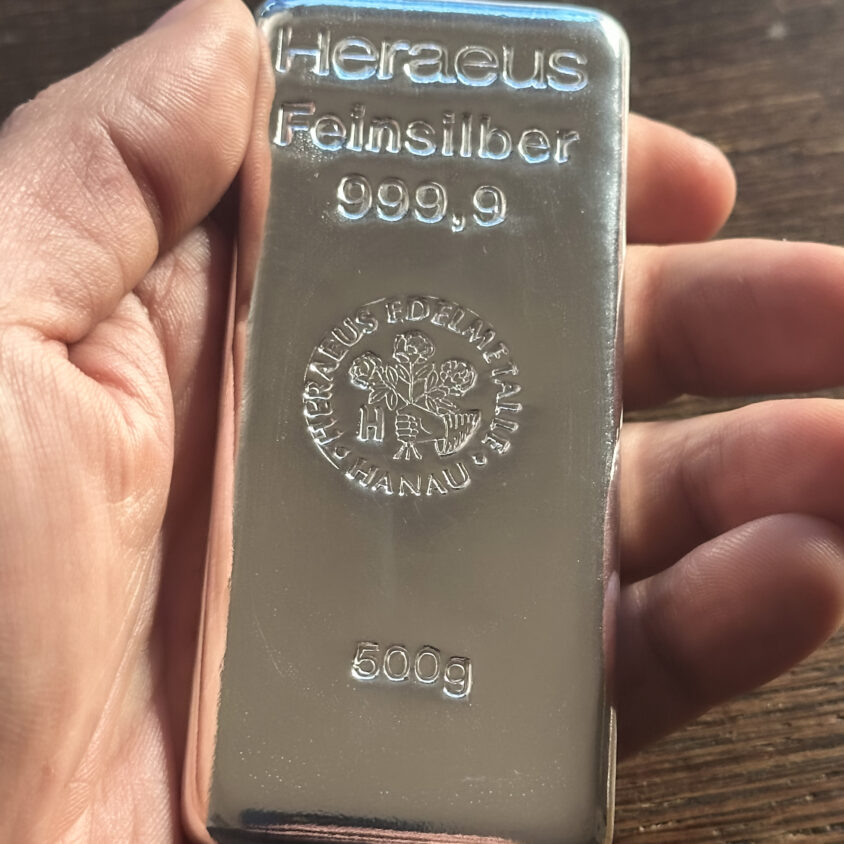
Silver is one of the oldest and most valuable precious metals and has been used for jewellery, coins and works of art for thousands of years. This relatively soft, lustrous metal is easy to work and is known for its high reflectivity and distinctive white shine. Pure silver (999 fine silver) is very soft and susceptible to scratches and deformation, so it is commonly alloyed to improve durability.
The Most Common Silver Alloy Is Sterling Silver (auch 925er Silber genannt), das zu 92,5 % aus reinem Silber besteht und mit 7,5 % Kupfer oder anderen Metallen legiert wird. Diese Mischung erhöht die Festigkeit, ohne den charakteristischen Glanz des Silbers zu beeinträchtigen. Sterling Silver ist das bevorzugte Material für Schmuck, Besteck und andere dekorative Objekte.
Argentium Silver is a more modern silver alloy containing germanium instead of copper. It is especially resistant to tarnishing and is therefore preferred for high-quality jewellery.
Neben Sterling Silver gibt es auch 800 Silver (bestehend aus 80 % Silber und 20 % anderen Metallen, meist Kupfer). Diese Legierung wird oft für Besteck und größere Haushaltsgegenstände verwendet, da sie robuster ist, aber nicht den hohen Glanz von Sterling Silver aufweist.
- Workability: Silver is highly malleable and can be soldered, bent and forged with ease, making it ideal for jewellery and detailed work. Its relatively low melting point of 961°C also makes it popular for casting.
Finishes and Textures
The surface treatment of wedding rings and jewellery offers many possibilities for creating different designs and textures. These are some of the most common techniques:
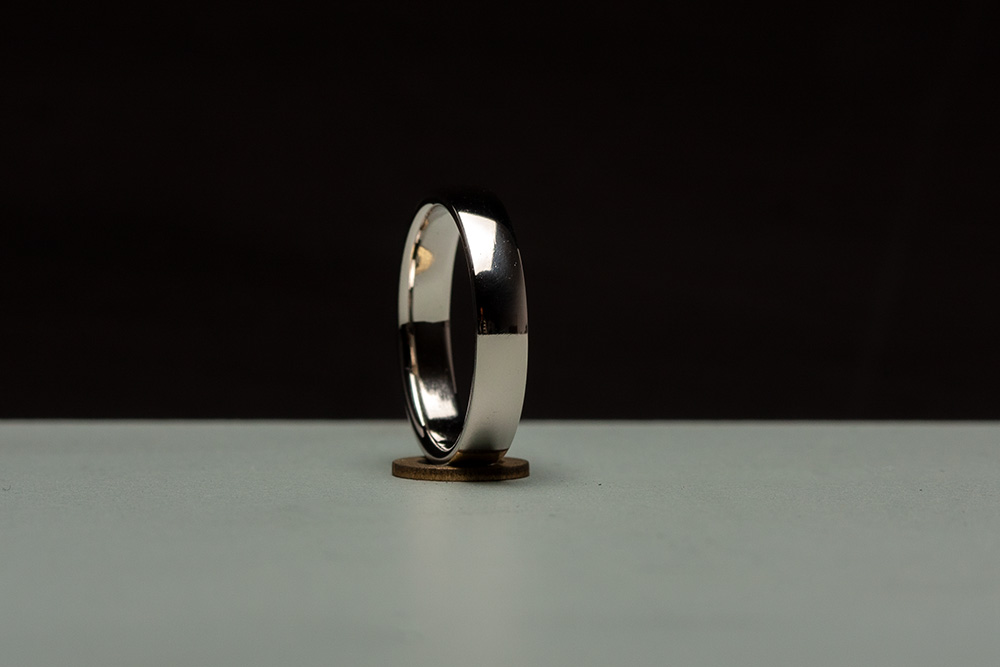
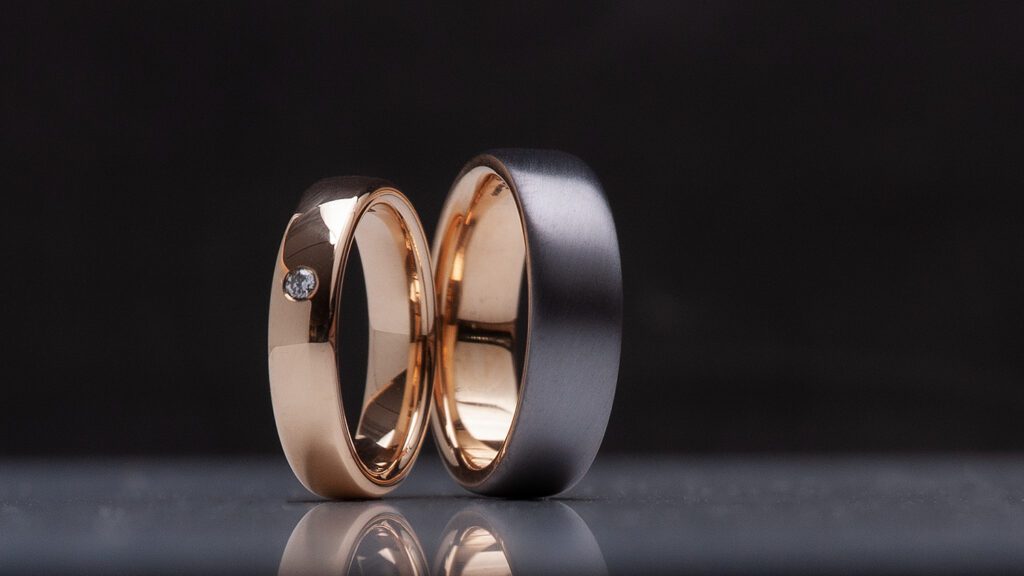
- Polishing: The ring is polished to a high shine, creating a smooth, reflective surface and an elegant, timeless appearance.
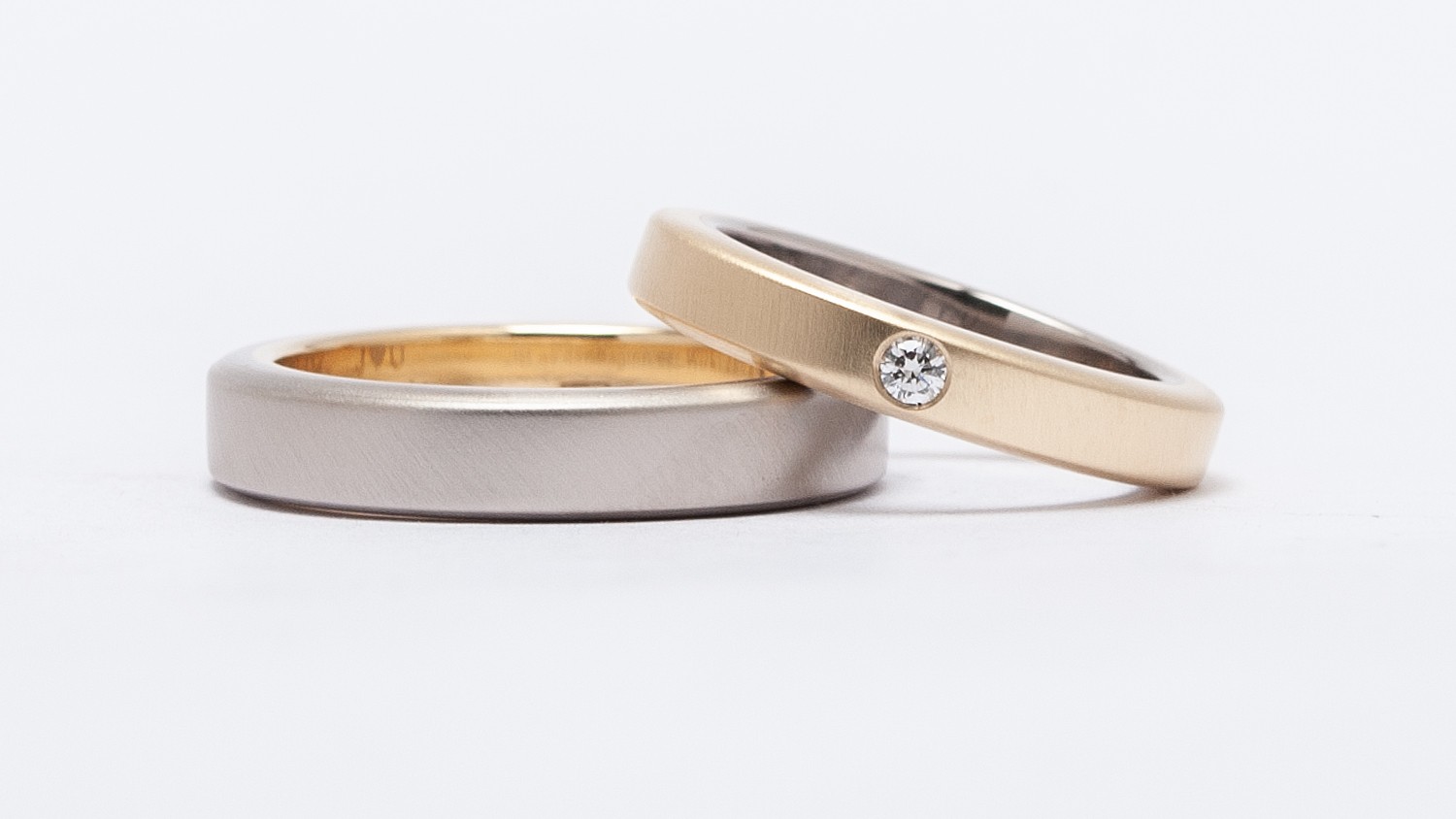
- Brushing: A special tool is used to create a matt or satin finish. Different brushing strengths and directions produce a range of subtle textures.
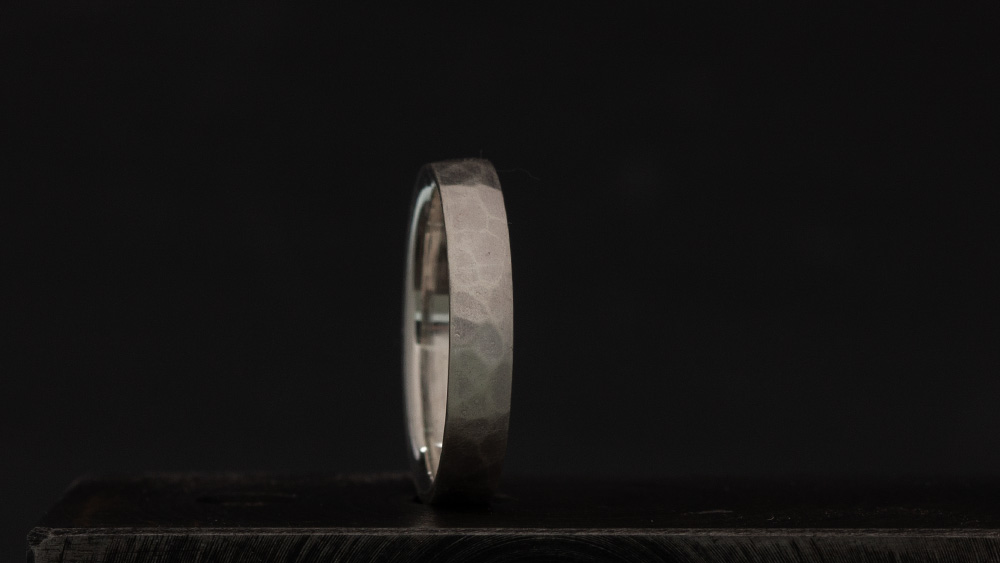
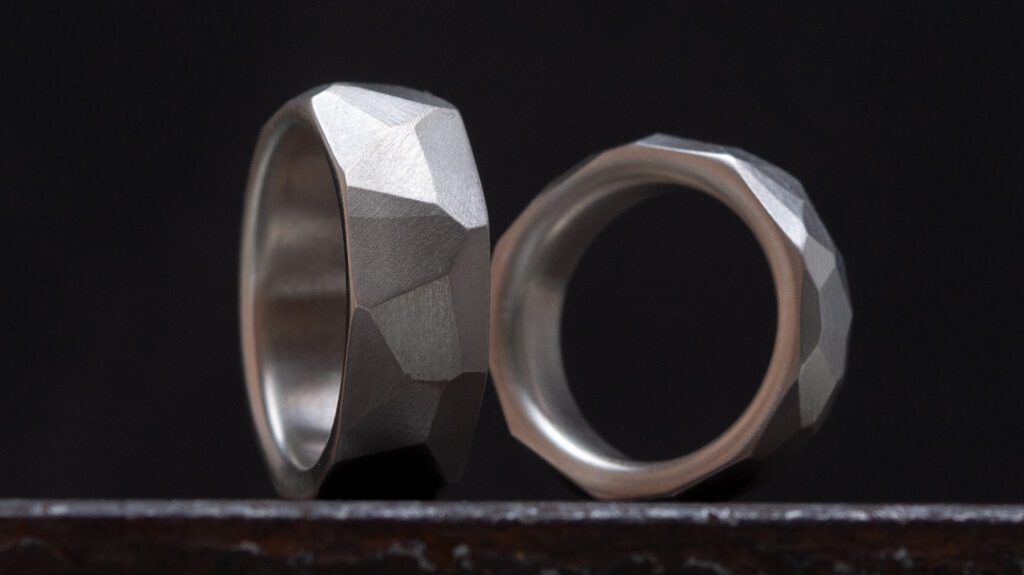
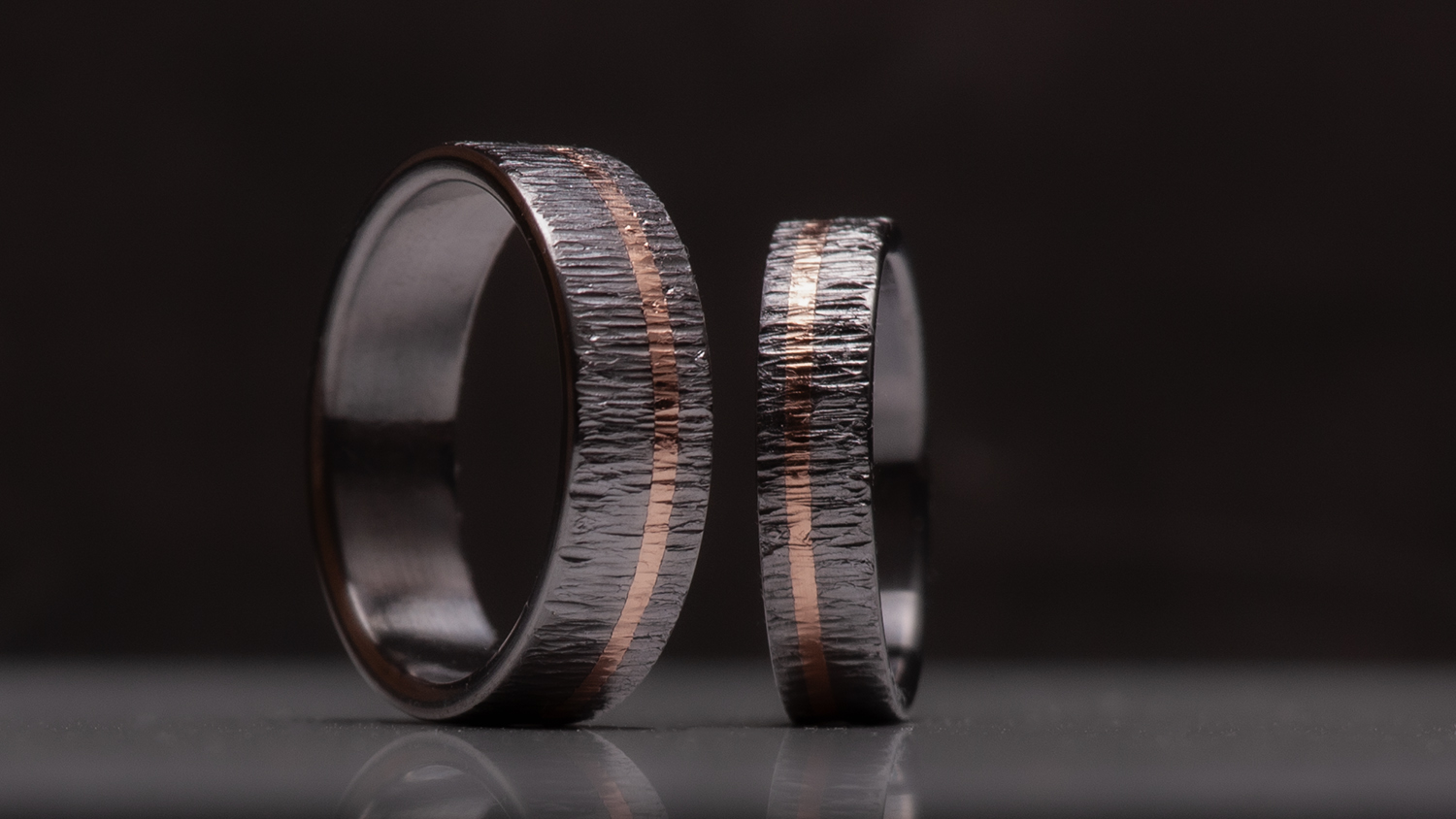
- Texturing: Techniques such as hammering, filing, engraving or etching can create distinctive patterns and textures on the ring surface.
- Sandblasting: The ring is blasted with sand or another medium to create a rough, matt surface. This offers versatile textures, although the finish gradually becomes shinier with wear.
- Laser Engraving: A laser applies fine, precise patterns and engravings to the ring. This technique enables particularly detailed and personal designs.
Laser Engravings
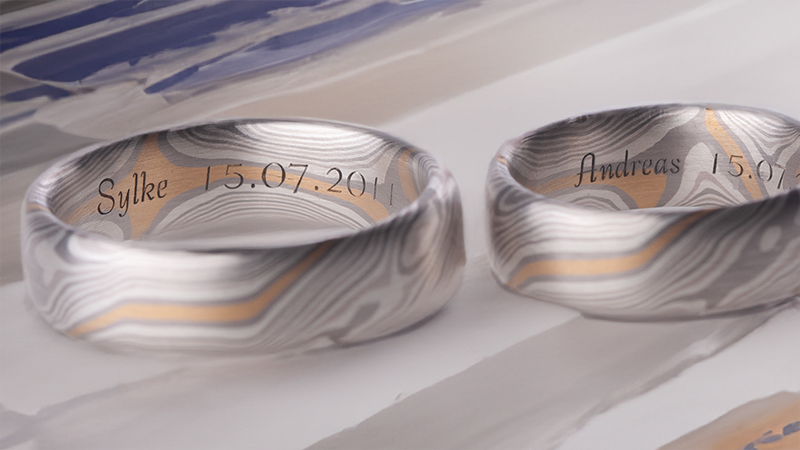
Laser engraving is a beautiful way to personalise wedding rings. A precise laser can apply individual inscriptions and text directly to the metal. We first prepare the design and then transfer it carefully to the ring.
Popular choices include names, initials or meaningful dates, usually engraved on the inside of the ring. These personal details remain discreet and visible only to the wearer, making the ring even more special.
Symbols and patterns can also be laser-engraved onto the ring. Whether it is a coat of arms, a meaningful sign or a completely personal motif, we are happy to realise it.
A major advantage of laser engraving is its precision. Even fine details can be reproduced in a small area, and the engraving remains durable.
And the best part: laser engraving is already included in the price of our wedding rings.
Ring Resizing
Over time, a ring may need resizing—because of weight changes, pregnancy or other reasons. Wedding rings are no exception. Fortunately, there are several ways to adjust the size so that the ring continues to fit comfortably and securely.
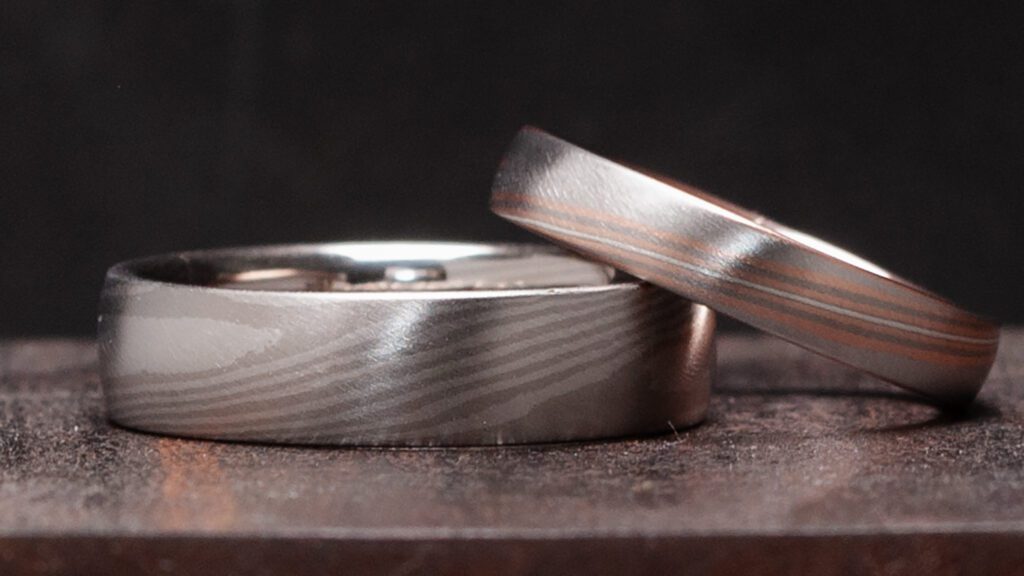
This naturally also applies to Mokume Gane rings. They can be resized so that you can continue to enjoy the unique beauty and craftsmanship of your ring.
Gold Alloys
Pure gold has a fineness of 999, equivalent to 24 carats. To make it more durable for jewellery, it is combined in different alloys. The most common are 585 gold (14 carat) and 750 gold (18 carat), with metals such as silver or copper added. These metals influence the colour: more copper creates a reddish tone, while silver makes the gold lighter.
Yellow Gold is created by combining gold, silver and a small amount of copper. The exact colour varies with the proportions but remains classically yellow.
Rose and Red Gold contain more copper and less silver. Their proportions determine whether the final shade leans more towards red or rose.
White Gold erreicht man durch die Zugabe von mindestens 13 % Palladium, wodurch das Gold seine gelbe Farbe verliert. Oft wird White Gold zusätzlich rhodiniert, um ein strahlenderes Weiß zu erzielen. Ich stehe dem Rhodinieren jedoch kritisch gegenüber, da sich die Schicht mit der Zeit ablöst.
Champagne and Hazelnut Gold entstehen durch eine Mischung aus Palladium und anderen Metallen. Im Gegensatz zu White Gold bleibt der Palladiumanteil unter 13 %, sodass die warme Farbe des Goldes erhalten bleibt und leicht durchscheint.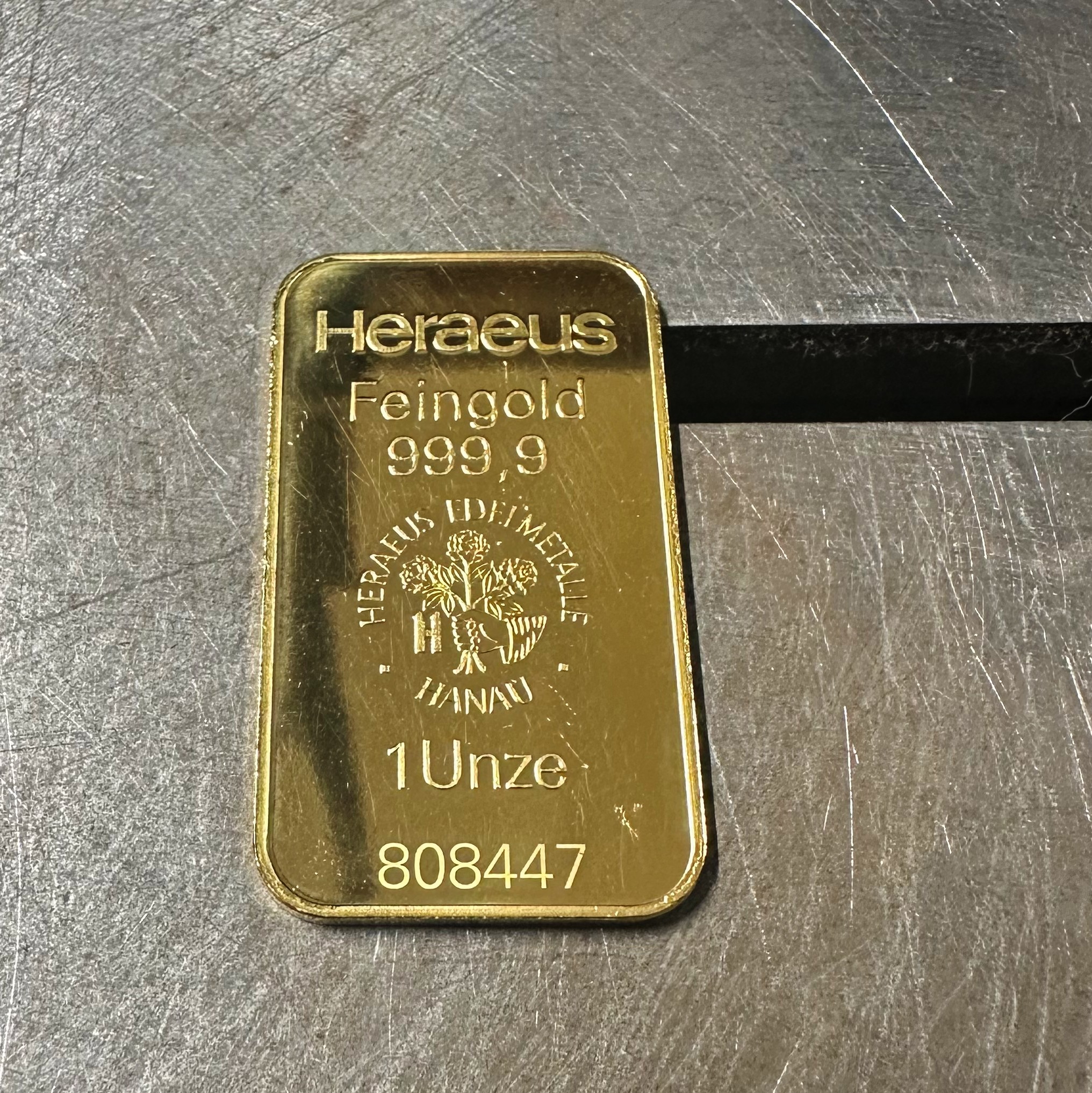
Platin & Palladium – Legierungen
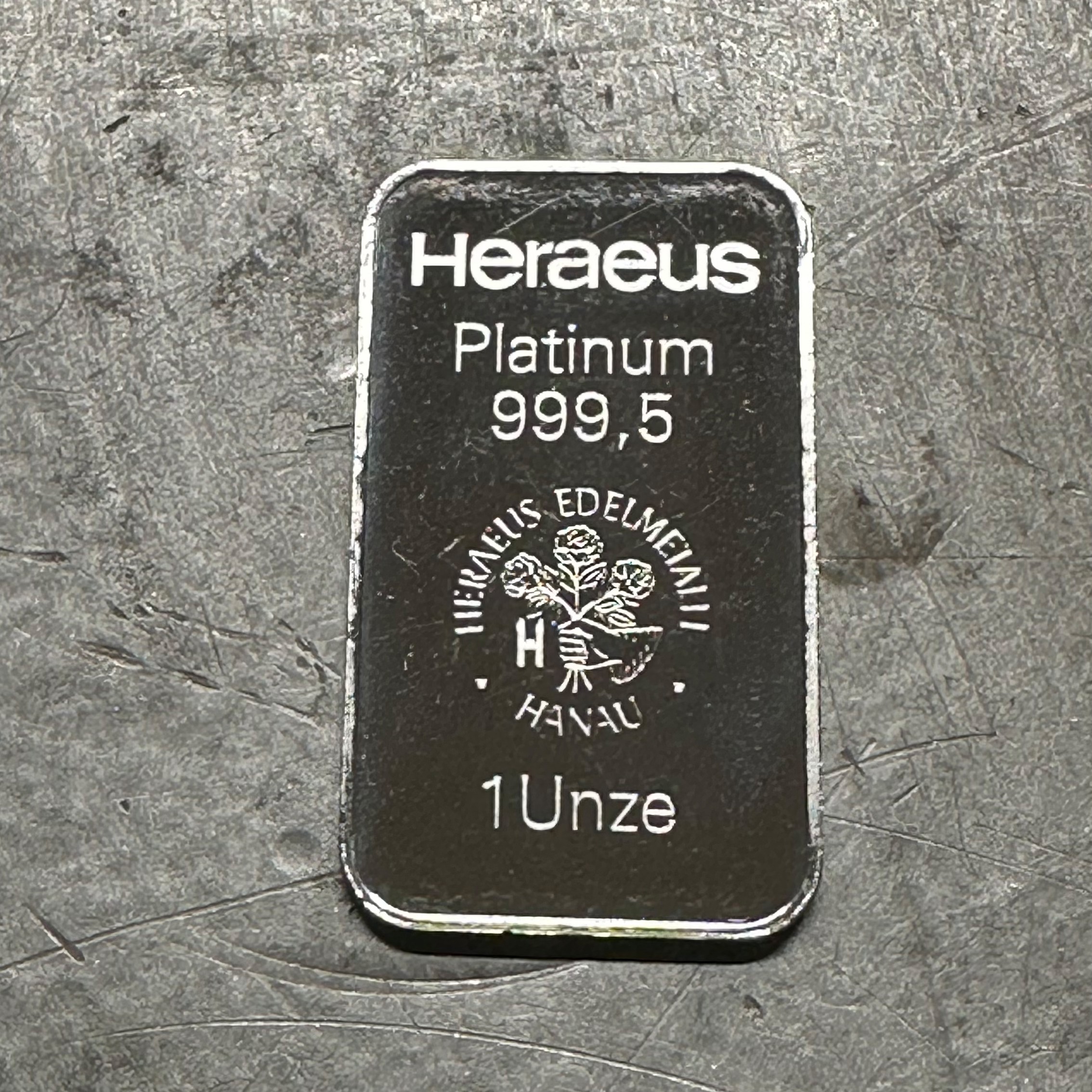
Platinum and palladium belong to the platinum-group metals and are prized in jewellery for their exceptional durability and refined lustre. Platinum is notable for its high density and weight, while its naturally light colour makes it especially desirable.
Palladium is lighter and slightly darker, yet increasingly popular because it offers properties similar to platinum. It requires particular care during processing because it absorbs large amounts of oxygen. It should therefore be melted only in a vacuum or under shielding gas to prevent porosity. Otherwise, it becomes difficult to work and loses its visual quality.
We Work with the Following Alloys:
Platinum 960 – 96% Platin & 4% Kupfer
Fine Platinum – 99.9% platinum (pure platinum)
Palladium 500 – Paradoxically, reducing the palladium content results in a darker colour.
Silver Alloys
Silver is one of the oldest and most valuable precious metals and has been used for jewellery, coins and works of art for thousands of years. This relatively soft, lustrous metal is easy to work and is known for its high reflectivity and distinctive white shine. Pure silver (999 fine silver) is very soft and susceptible to scratches and deformation, so it is commonly alloyed to improve durability.
The Most Common Silver Alloy Is Sterling Silver (auch 925er Silber genannt), das zu 92,5 % aus reinem Silber besteht und mit 7,5 % Kupfer oder anderen Metallen legiert wird. Diese Mischung erhöht die Festigkeit, ohne den charakteristischen Glanz des Silbers zu beeinträchtigen. Sterling Silver ist das bevorzugte Material für Schmuck, Besteck und andere dekorative Objekte.
Argentium Silver is a more modern silver alloy containing germanium instead of copper. It is especially resistant to tarnishing and is therefore preferred for high-quality jewellery.
Neben Sterling Silver gibt es auch 800 Silver (bestehend aus 80 % Silber und 20 % anderen Metallen, meist Kupfer). Diese Legierung wird oft für Besteck und größere Haushaltsgegenstände verwendet, da sie robuster ist, aber nicht den hohen Glanz von Sterling Silver aufweist.
Workability: Silver is highly malleable and can be soldered, bent and forged with ease, making it ideal for jewellery and detailed work. Its relatively low melting point of 961°C also makes it popular for casting.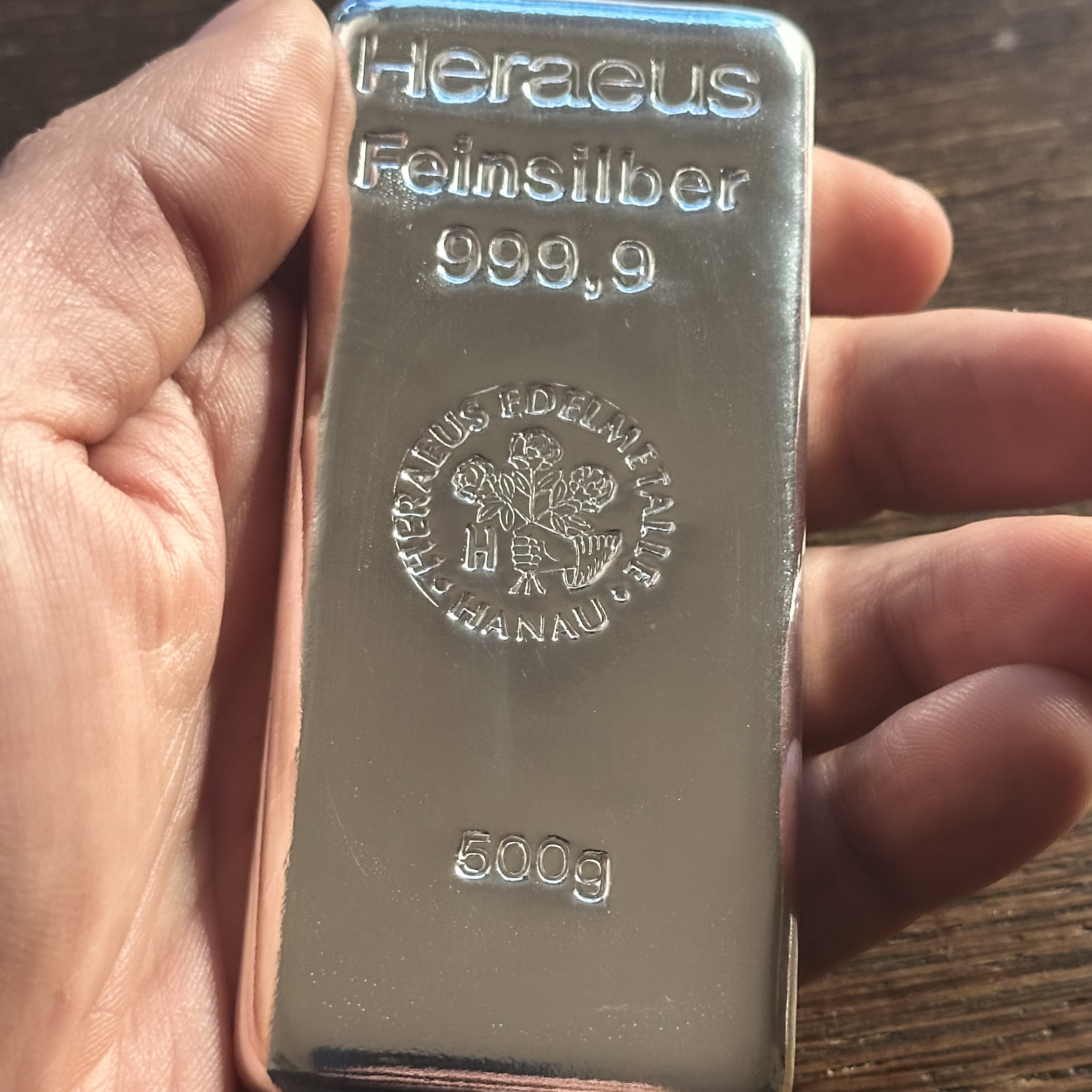
The surface treatment of wedding rings and jewellery offers many possibilities for creating different designs and textures. These are some of the most common techniques:
Polishing: The ring is polished to a high shine, creating a smooth, reflective surface and an elegant, timeless appearance.
Brushing: A special tool is used to create a matt or satin finish. Different brushing strengths and directions produce a range of subtle textures.
Texturing: Techniques such as hammering, filing, engraving or etching can create distinctive patterns and textures on the ring surface.
Sandblasting: The ring is blasted with sand or another medium to create a rough, matt surface. This offers versatile textures, although the finish gradually becomes shinier with wear.
Laser Engraving: A laser applies fine, precise patterns and engravings to the ring. This technique enables particularly detailed and personal designs.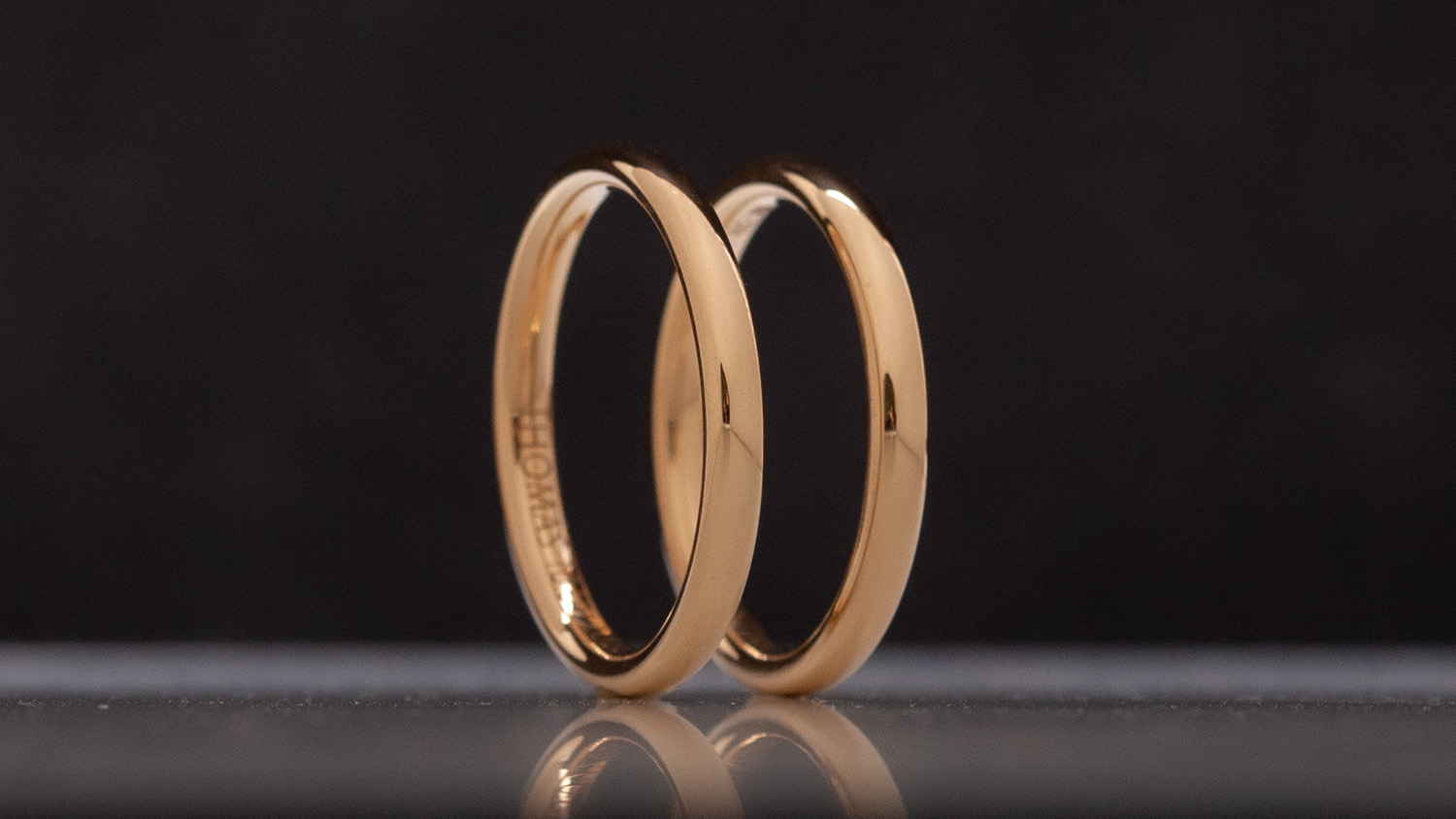
Laser engraving is a beautiful way to personalise wedding rings. A precise laser can apply individual inscriptions and text directly to the metal. We first prepare the design and then transfer it carefully to the ring.
Popular choices include names, initials or meaningful dates, usually engraved on the inside of the ring. These personal details remain discreet and visible only to the wearer, making the ring even more special.
Symbols and patterns can also be laser-engraved onto the ring. Whether it is a coat of arms, a meaningful sign or a completely personal motif, we are happy to realise it.
A major advantage of laser engraving is its precision. Even fine details can be reproduced in a small area, and the engraving remains durable.
And the best part: laser engraving is already included in the price of our wedding rings.
Over time, a ring may need resizing—because of weight changes, pregnancy or other reasons. Wedding rings are no exception. Fortunately, there are several ways to adjust the size so that the ring continues to fit comfortably and securely.
This naturally also applies to Mokume Gane rings. They can be resized so that you can continue to enjoy the unique beauty and craftsmanship of your ring.
Joining by Welding
The first method joins the material by welding. The desired metals are prepared in the required proportions, shaped and then welded together. This method is used mainly for platinum because it can be welded permanently with a completely invisible seam.
Palladium-containing alloys, such as champagne gold or white gold, behave differently. Because of their palladium content, they absorb considerably more oxygen, which can create numerous tiny pores or cavities.
Punching & Deep Drawing
The next method is punching and deep drawing. The metal is melted and cast into a round form, then rolled and punched out. This disc is turned through by deep drawing so that the basic ring shape is formed.
A major advantage of this method is that it allows us to make a ring without a welded or soldered joint. Welding platinum is unproblematic, as described above, but palladium-containing alloys behave differently.
Finally, we shape the ring with hammer, file and lathe until it has the desired form.